World Environment Day 2026: Young People Driving Change for the Planet
On World Environment Day, we highlight the important role of young people in driving practical climate action in their communities.

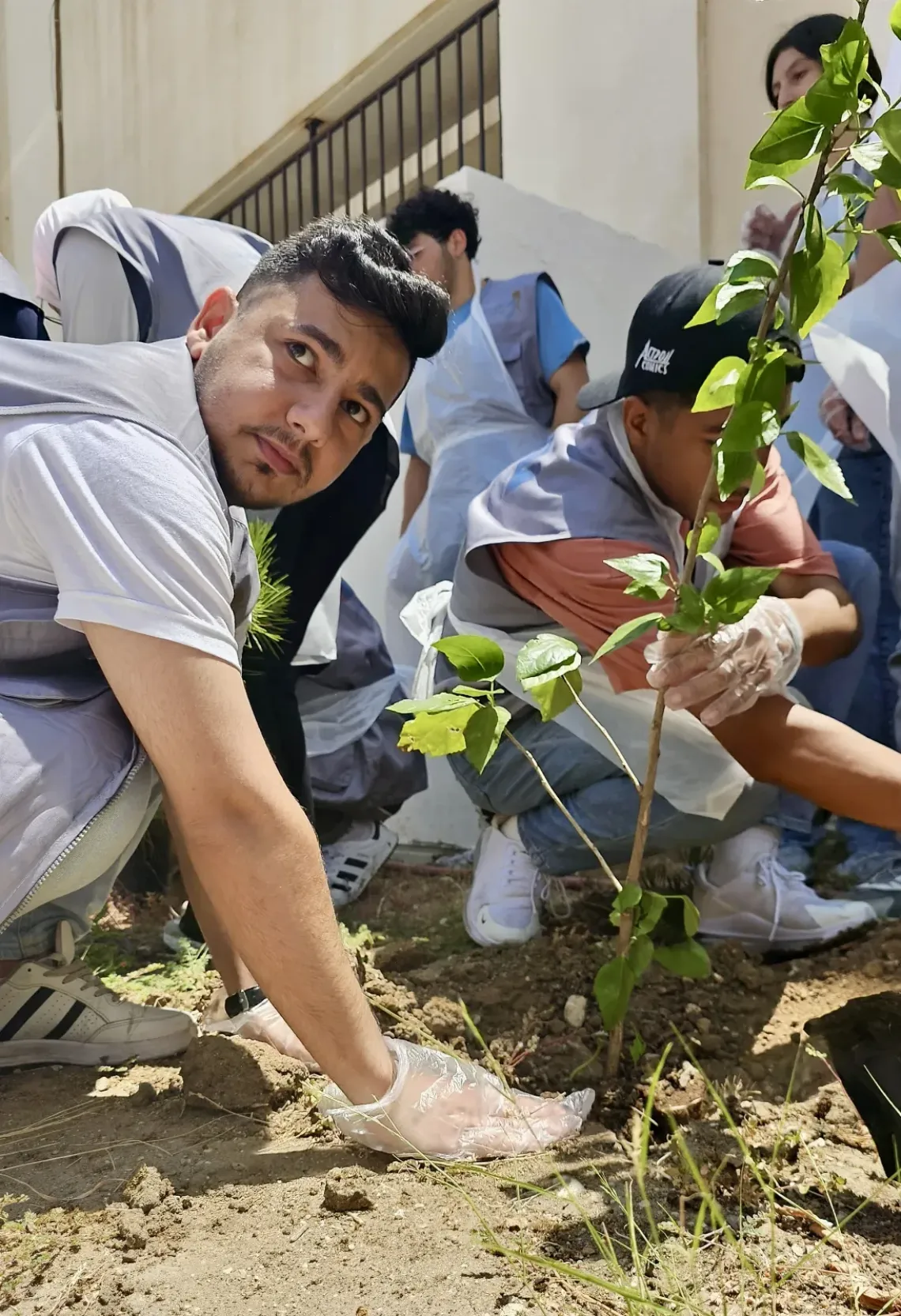
In Saida in southern Lebanon, 24-year-old management student and environmental champion, Ali is leading 45 young volunteers in a practical, interactive climate change class.
Before they begin, he asks them to make a personal promise: turn what you learn in the classroom today into real action tomorrow in your own community – promise that you will be the person who does daily what it takes to build a green, resilient society.
“Cleaning a beach is important, but it’s just the beginning,” he tells them. “The real impact comes when we start changing how we think and act every day.”
As World Environment Day 2026 dawns, it is clear that young people are ready to do exactly this – and more. Given the knowledge, the skills and the tools, they will lead the way.
Young people like marine sciences graduate Ahlam Fathy, for instance, who at just 25 years old is already shaping environmental innovation in Egypt. Growing up in her small coastal hometown of Foua, she saw the pollution and environmental damage caused by careless disposal of fisheries waste.
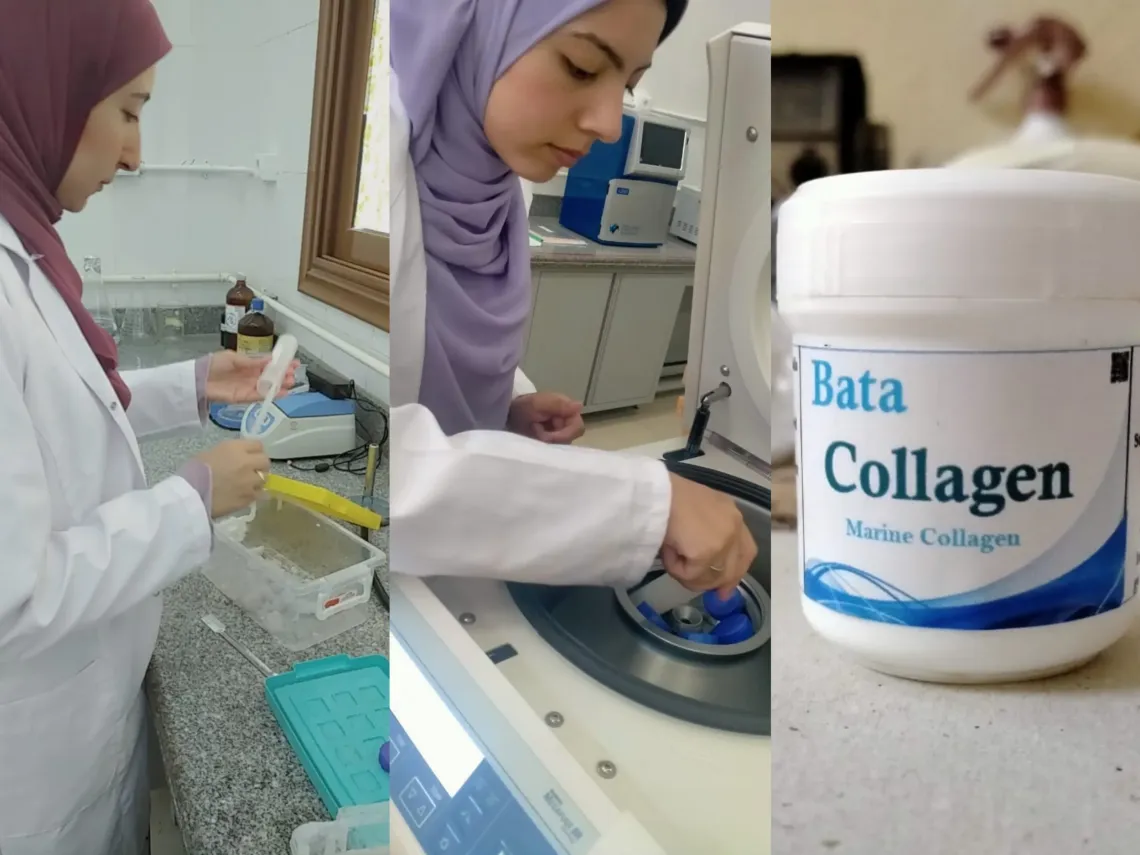
Back from university, her response was to start Egypt’s first company of its kind, recycling fish waste into high value marine collagen, much in demand in the medical, cosmetic and pharmaceutical sectors. It’s an eco-friendly enterprise that is healing the local environment, building the green skills base of its other young employees, and is a sustainable low-miles local alternative to costly imported collagen. Mentorship helped Ahlam Fathy understand not only how to create a sustainable, green business model but also how to connect with key stakeholders, such as government ministries.
With global temperatures on the rise, every innovation like this matters – and it’s vital that young people are empowered to be the drivers of change as our planet sends out increasingly urgent signals about the distress we are inflicting on it: rising seas, raging wildfires, heatwaves, melting glaciers.
The last 11 years have been the hottest on record, around 1.43 °C above the 1850-1900 average. We said 1.5 °C was the limit – and we are about to cross that line. Yet the response to the climate story is too often clouded by the noise of delay, distraction, denial.
But young people like Ahlam and Ali are hearing that story, and their response is crystal clear. Empower us, and we will rewrite the narrative. Not just for ourselves, but for the planet we all share, and for everyone’s future.
Help us understand what’s going on and what each one of us can do to transform our lives and communities. Support us as we learn and develop the green skills and technologies that will sustain us and our families long into the future. Clear the way for us to move from learning to earning, whether in information technology or agriculture, in healthcare or engineering.
Many hundreds of thousands of young people are now seizing opportunities supported by the partnership between the Education Above All Foundation (EAA) and UNICEF’s Generation Unlimited (GenU) and supported by Qatar Fund for Development (QFFD). Many already have inspiring, transformative stories to tell.
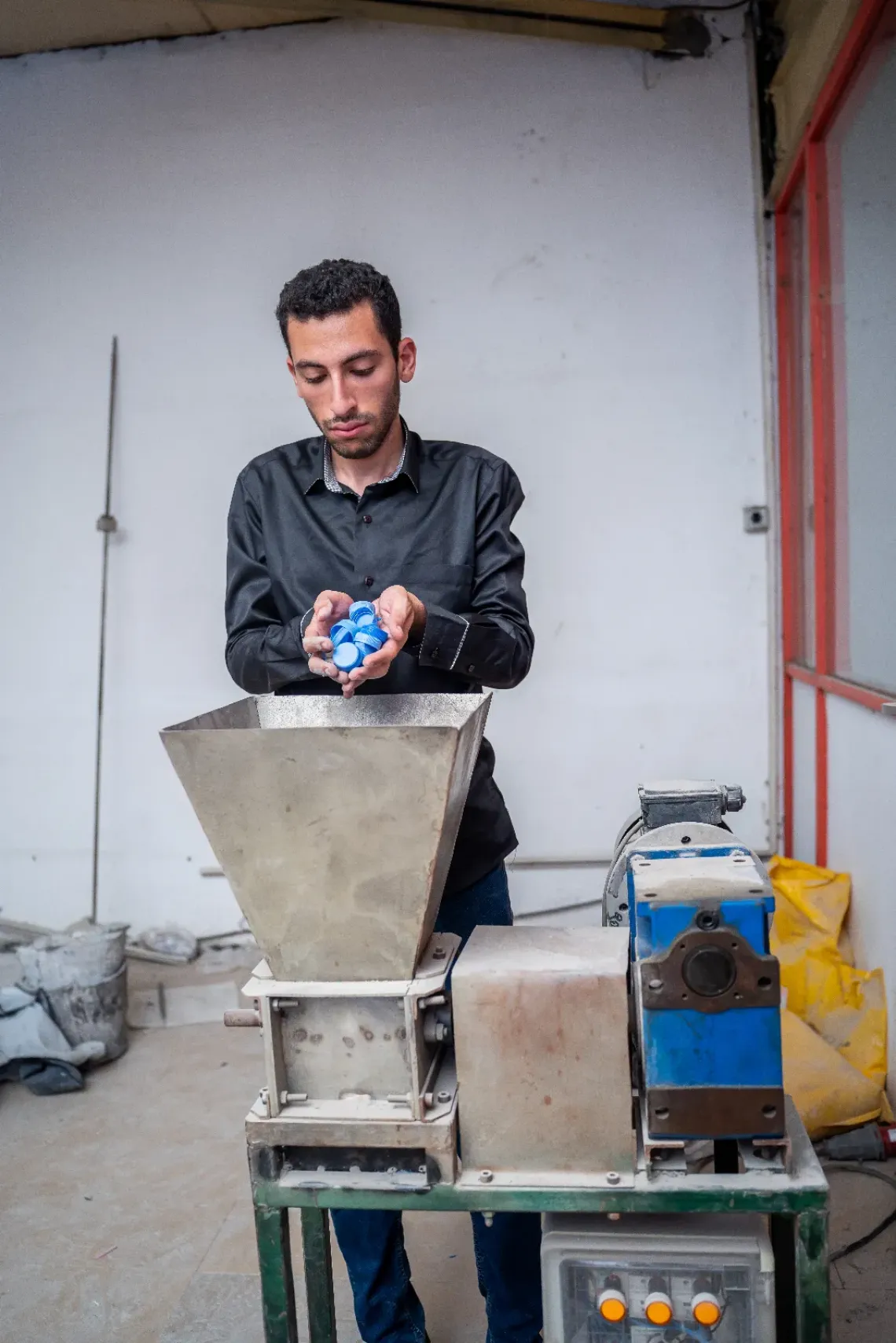
Engineering graduate Ahmed Ashraf, 25, began by enthusing his friends and neighbours to join a plastic waste collection project, first rallying youth in his own village in Egypt and then expanding to a dozen neighbouring communities, organizing door-to-door campaigns and teaching households to separate their waste.
Then, through the life skills and employability training offered by the Meshwary Programme, he channelled his passion into practical action. He showed his young team how to sort the waste they were collecting, clean it, shred it and repurpose it into new locally made products such as keyrings and coasters. Their new motto – waste has value.
And as of the end of 2025, the Green Visions and Thriving Futures has supported 49,377 young people in Jordan, Lebanon, and Egypt to take climate action, collectively leading over 82,000 climate actions and planting more than52,000 trees, while contributing to significant waste collection and water conservation efforts in their communities.
This is the generation whose future is already being shaped by the global decisions of the past. Time is running out, and it is vital that their own power to start reshaping that future is given the investment it needs and deserves so that they can accelerate a just and effective green transition.
This is a huge challenge, and can only be tackled by partnerships that span sectors, governments and nations. And, crucially, by initiatives that make young people feel they are clearly heard and can be a real, hands-on part of the solution.
As Ali tells his young volunteers: “Start with a small step. Be part of the change, even if it feels small. One action leads to another, and that’s how big change happens”.