Meet the 10 Global Winners of imaGen Ventures 2024/5
Ten youth-led ventures have been named global winners of the 2024/5 imaGen Ventures Challenge, rising from 40,000 young innovators to receive seed funding, expert mentorship, and investment opportunities to scale their impact-driven innovations

New York, May 8 – A new generation of social entrepreneurs is stepping forward, bringing bold ideas, practical solutions, and the resilience to take on the world’s biggest challenges.
Generation Unlimited (GenU) and Accenture today announced ten global winning enterprises of the imaGen Ventures Global Challenge 2024/5—a global grassroots, community-based youth entrepreneurship initiative that empowers young people to co-create entrepreneurial ventures that tackle challenges and benefit their communities.
The 2024/5 Challenge brought together over 40,000 youth from across 22 countries to develop entrepreneurial skills and explore approaches for building solutions. More than 100 judges at the global stage assessed their ventures for social impact, feasibility, business and organizational model, and alignment to the Sustainable Development Goals (SDGs).
The ten winning ventures from across Africa, Asia, and Latin America are building breakthrough solutions in areas like sustainable agriculture, renewable energy, waste management, and inclusive education. They show practical viability and real-world impact, with long-term potential to scale across countries and regions.
This year’s winners also feature three ventures from Generation Unlimited’s BeGreen Africa programme—launched with the Tony Elumelu Foundation and IKEA Foundation to support youth-led green entrepreneurship across Africa. This integration is an important evolution for imaGen Ventures, expanding its ability to accelerate and scale a broader, more diverse range of promising youth enterprises across GenU’s entrepreneurship portfolio.
Though open to solutions for all SDGs, nine out of ten winning ventures target climate solutions, signaling just how urgently young people are responding to the climate crisis. In fact, more than half of the ventures' solutions focus on converting waste materials into value-added products that help communities with efficient agricultural practices and clean energy access. Many of these ventures have already established revenue streams that ensure long-term success—whether through product sales, strategic partnerships, or service offerings—showing that environmental stewardship and business can go hand-in-hand.
Leonardo Framil, US Financial Services Client Group Lead, Accenture, said: "Young people are essential to solving the world’s biggest challenges, especially climate change. That’s why Accenture is proud to partner with UNICEF’s Generation Unlimited and the imaGen Ventures program, which helps the next generation of innovators turn their solutions into world-changing ventures. Congratulations to this year’s winners. We can’t wait to see your vision take shape.”
Since 2021, Accenture has been a key partner in the imaGen Ventures programme, providing business insights, programme expertise, and hands-on mentorship to drive meaningful impact for young entrepreneurs. Together with Accenture and a network of strategic partners — including The Scouts Movement, Plan International, and UNDP — imaGen Ventures is transforming innovative ideas into sustainable, scalable solutions that help young people tackle some of the biggest challenges in their communities and beyond.
With mentoring and seed funding of up to $10,000 USD, the ten winning teams will now have the resources, technical support, and mentorship they need to bring their entrepreneurial ventures to the next level.
Meet the Winning Enterprises

1. AGRO KOOM (Senegal) 🇸🇳
Theme: Food Security
AGRO KOOM is transforming agriculture through intelligent vertical cultivation using hydroponics and aquaponics. Their soil-free system reduces pesticide use to zero, saves 80% of water compared to traditional farming, and runs on solar energy. With AI technology keeping everything running smoothly, they can grow millions of fresh vegetables in a small space (up to 10 million vegetable portions on 6,500 m²). AGRO KOOM’s approach not only helps the environment but also offers a real solution for food insecurity.
“We hope to revolutionize urban agriculture by making vegetable and fruit growing accessible and sustainable,” said the young leaders of the enterprise. “We aim to inspire other farmers to adopt sustainable methods, reducing the climate impact of farming and improving consumer health through healthy, natural produce.”
2. Alebricks (Mexico) 🇲🇽
Theme: Food Security
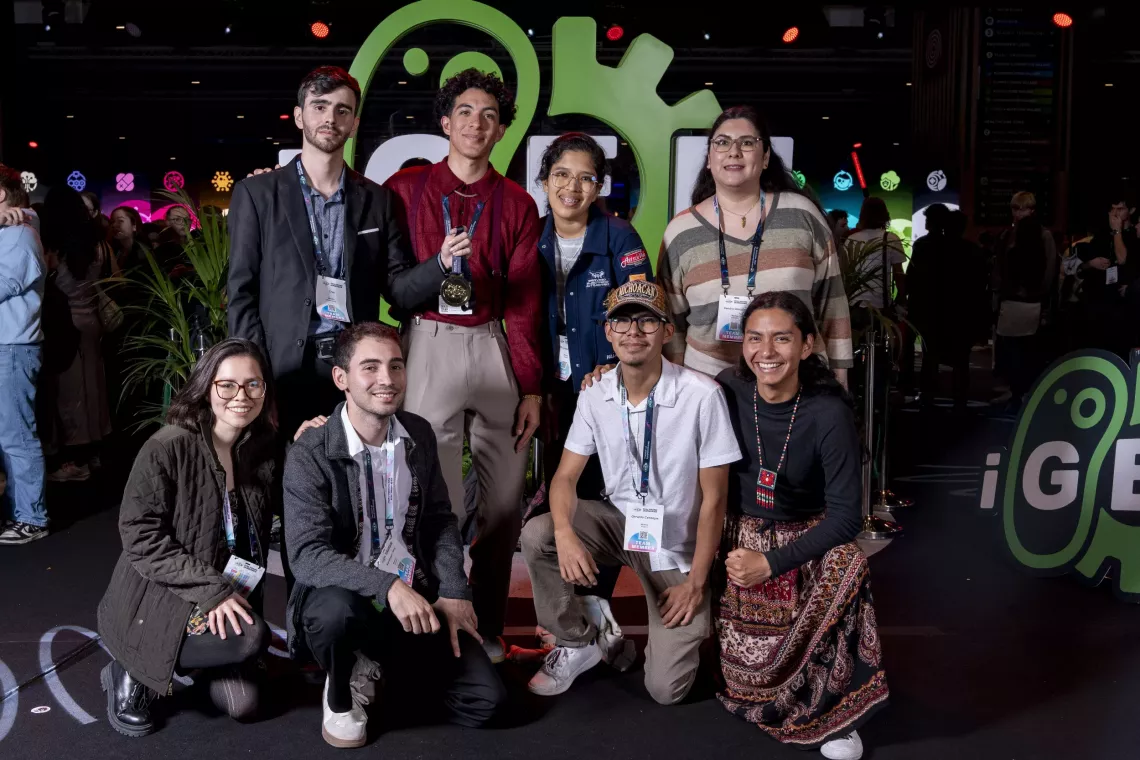
Alebricks is creating a safer, greener way to protect crops. Using synthetic biology, they make a biopesticide from piperamides, natural compounds found in black pepper, offering an eco-friendly alternative to hazardous chemical pesticides still widely used in low- and middle-income countries. By partnering closely with local farmers, Alebricks keeps their solution affordable and easy to use, reducing environmental impact and supporting sustainable agriculture.
“Our vision is to lead the future with bio-based solutions, engineering nature to create sustainable, healthier, and affordable innovations across various sectors,” said the young leads of the enterprise. “We aim to drive the transition to sustainable agriculture, integrating communities with science to create impactful and lasting solutions.”
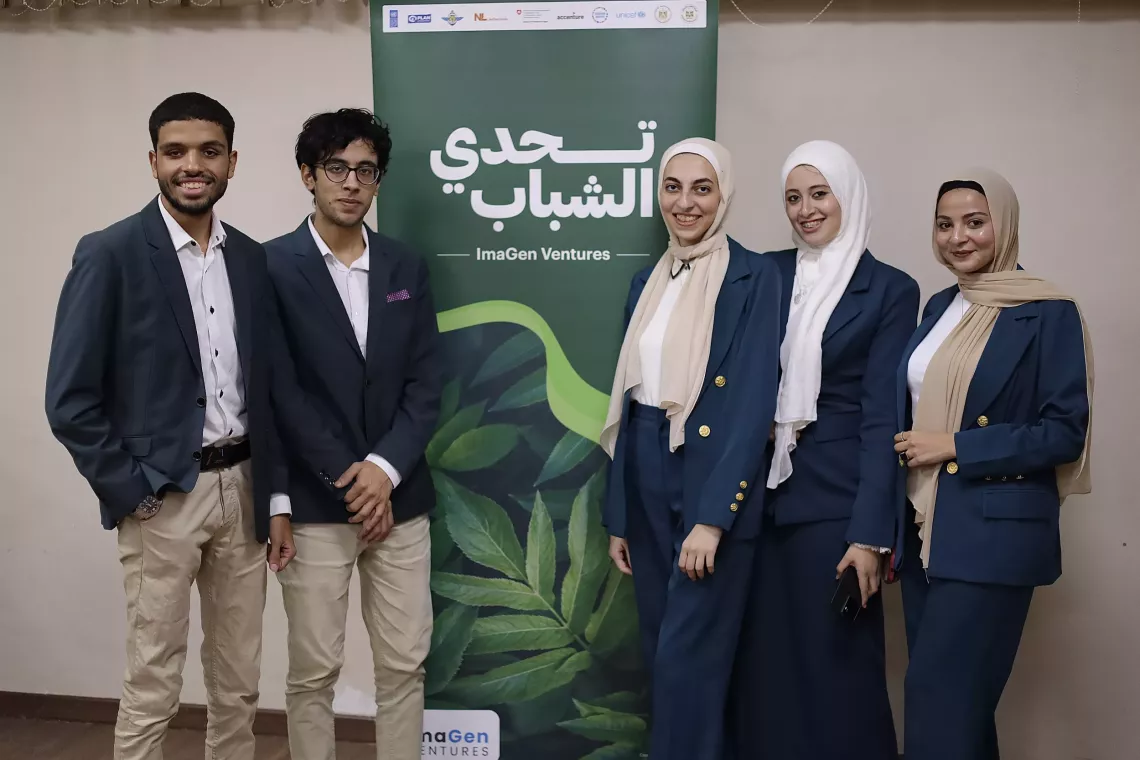
3. Biotel (Egypt) 🇪🇬
Theme: Food Security
Bioteel creates bio-based fertilizers and biopesticides as sustainable alternatives to harmful chemicals. Their products use natural microorganisms to boost soil health, improve crop yield, and tackle pest resistance. Furthermore, Bioteel’s biopesticides effectively target specific pests while minimizing harm to beneficial organisms, minimizing harm to beneficial organisms and reducing the chances of pests developing resistance. By selling directly to farmers and teaming up with agricultural cooperatives, Bioteel’s approach is both good for the environment and financially sustainable.
“The agricultural sector faces a critical challenge due to the overuse of chemical fertilizers and pesticides,” said the young leads of Bioteel. “Our vision is to transform pest control and agriculture by offering sustainable, bio-based solutions that replace harmful chemical pesticides. By reducing chemical residues in food, preserving soil and water quality, and protecting beneficial organisms, our venture will advance sustainable agriculture, improve food safety, and support healthier ecosystems.”

4. ECO NASI LIMITED (Kenya) 🇰🇪
Theme: Waste Management
Eco Nasi has developed a novel technology that converts pineapple pulp waste—a protein-rich and globally abundant waste raw material into a high-performance leather alternative that is five times more durable than conventional leather and can be produced at scale through innovative bacterial and enzymatic processes. This new material helps cut down reliance on animal leather and offers a more sustainable choice. By using a special bacterial and enzymatic process, Eco Nasi can manufacture these products on a large scale, creating new economic opportunities for farmers and helping to protect the environment.
“Pineapple translated into Swahili is nanasi, and our vision at Eco Nasi is to create a sustainable and inclusive planet where abundant natural resources enable people and the planet to thrive and coexist,” said the young leads of the enterprise. “Our production process is designed to be energy-efficient, non-toxic, and highly scalable, making it a disruptive innovation in the leather industry.”

5. PAMOSSI - VIVA SURDO (Angola) 🇦🇴
Theme: Disability Solution
VIVA SURDO empowers the deaf community in Angola through practical vocational training in fields like electricity, cooking, sewing, IT, and more. Founded by deaf young people, the venture promotes social inclusion and economic independence. Using skills training Angolan Sign Language, the venture helps participants gain practical skills that improve their employability and self-sufficiency. Graduates are then linked with internships, job opportunities, and microloans made possible by partnerships with local companies and organizations
“In Angola, deaf people face significant social barriers that exclude them from education, the labor market, and community life,” said the young leads of the enterprise. “Our mission is to promote the self-sustainability of the Angolan deaf community through practical training and employment opportunities. We offer practical skills training on our premises or online, and graduates gain access to internship and employment opportunities. Our vision is to be the largest education, training, and employment center for the deaf community in Angola.”
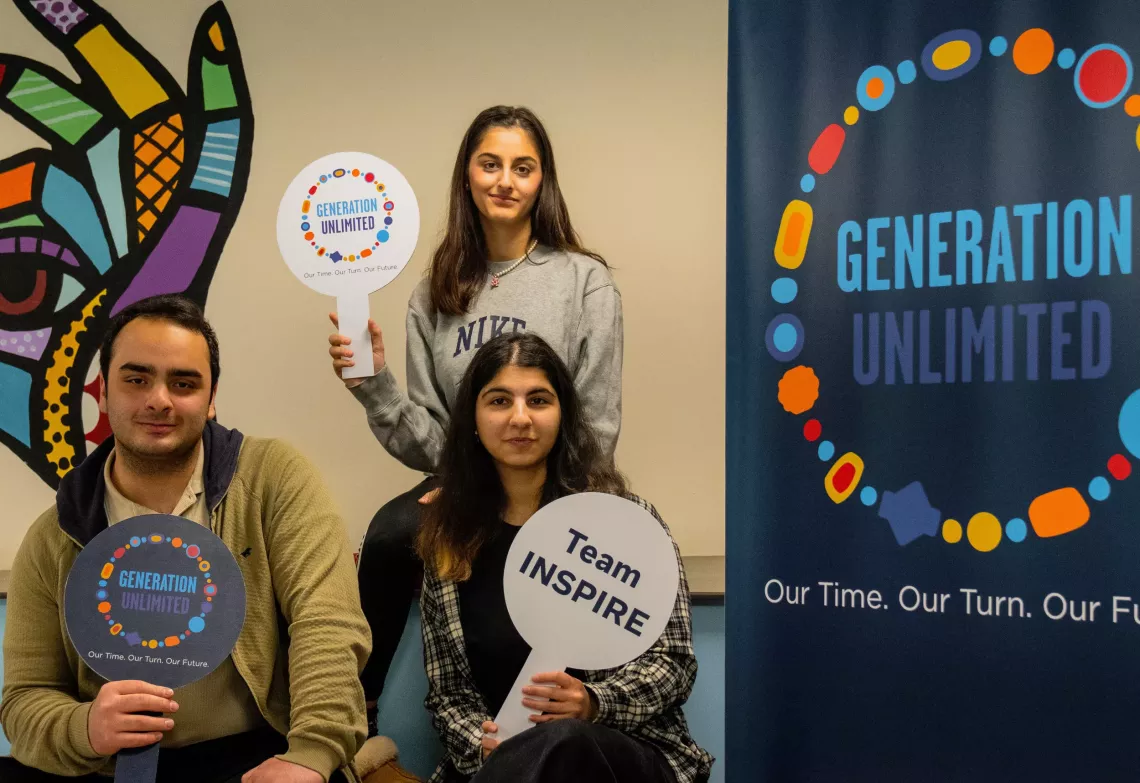
6. PureFlow: A water filter (Türkiye) 🇹🇷
Theme: Water & Sanitation
Pureflow from Team Inspire is an innovative water filtration material for industrial wastewater treatment. In Pureflow, mussel shells—usually thrown away as household waste—are turned into a filtration material with reusable, cost-effective filters that remove heavy metals and organic pollutants, improving water reusability for industries such as textile and chemical manufacturing. PureFlow is designed to be both affordable and sustainable. According to the team, each filter can purify up to one million litres of water at a cost of just $50,000, which is 54% more cost-effective than other systems, making it a practical, eco-friendly solution for communities and industries facing water pollution challenges. Looking ahead, the team has ambitious plans to expand their impact. They aim to develop PureFlow into a fully operational water purification machine, making it easier to deploy in areas facing acute water challenges.
“Our vision is to combat water scarcity, which threatens the future, by delivering environmentally friendly and sustainable water treatment solutions,” said team Inspire. “We aim to develop innovative, cost-efficient, and accessible solutions to eliminate water pollution caused by industrial waste.”
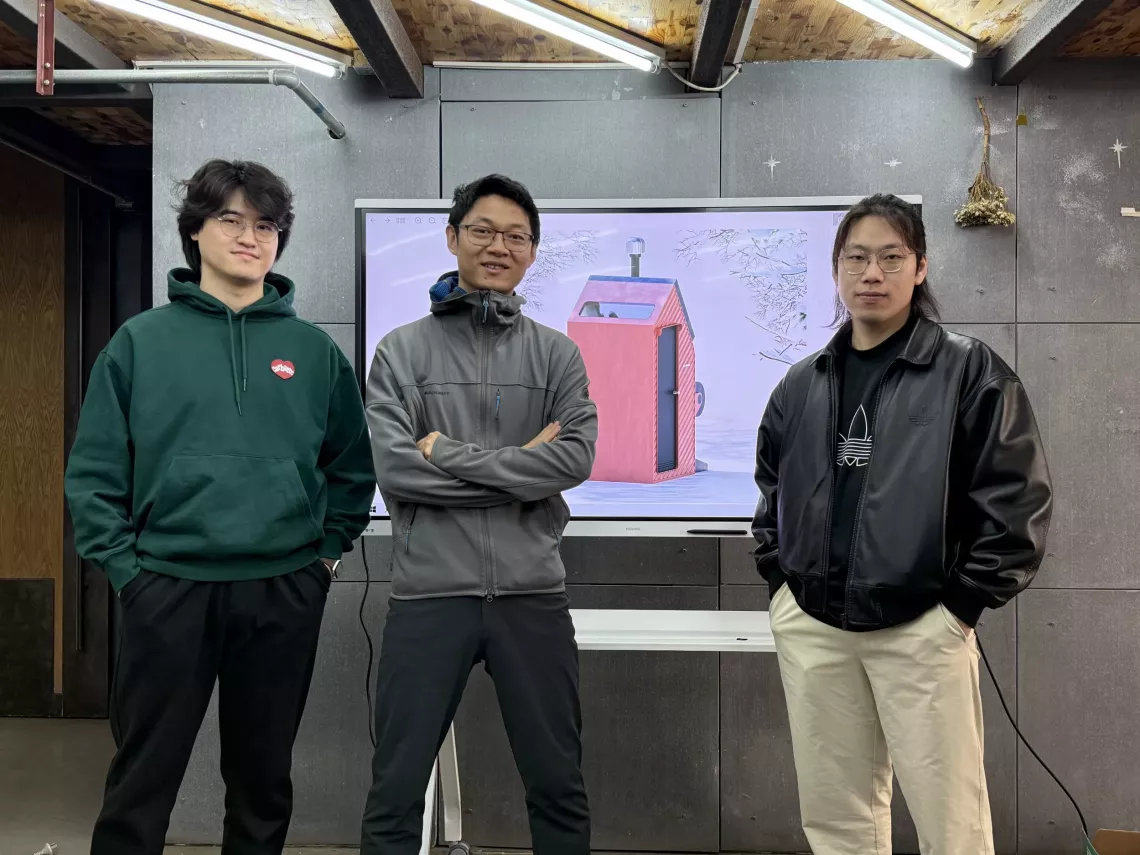
7. Pureco (China) 🇨🇳
Theme: Sanitation
Pureco tackles sanitation challenges with a waterless, passive-heating eco-toilet designed for cold and arid regions. Using solar heating, ventilation, and aerobic composting, their affordable, energy-free system reduces reliance on hydropower, prevents septic tank freezing, and improves hygiene.
“In many developing regions, the absence of accessible and affordable sanitation—made worse by harsh climates and difficult terrain—prevents the adoption of safe sanitary toilets and the achievement sustainable development goals,” said the young leads of Pureco. “We hope to install efficient and harmless sanitary toilets in rural areas in developing countries and region (…) “If successful, our solution will effectively reduce water pollution, related diseases, and the economic losses caused by poor sanitation.
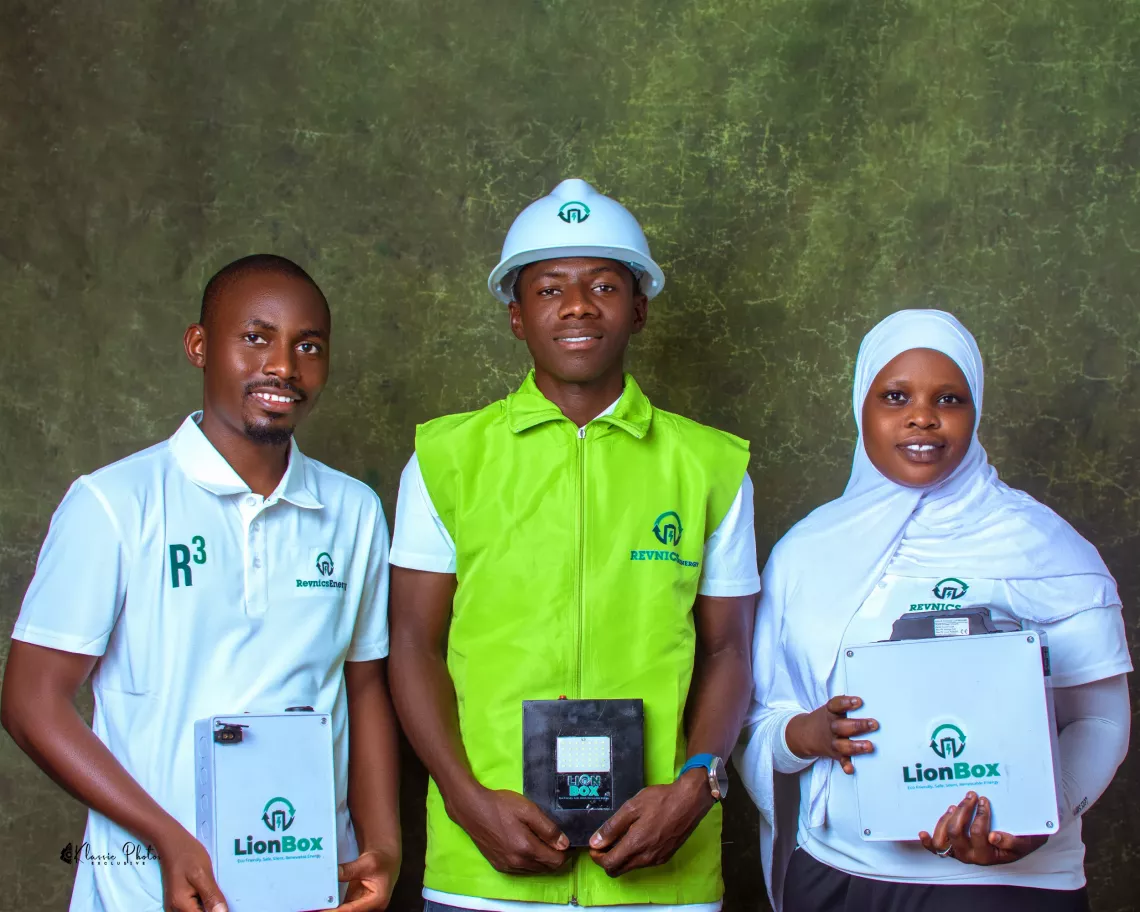
8. REVNICS Energy (Nigeria) 🇳🇬
Theme: Clean Energy/Waste Management
Revnics Energy is tackling e-waste and clean energy access by converting electronic waste into solar products. By upcycling components into solar lamps, they cut waste and deliver affordable, renewable energy to underserved communities. The young entrepreneurs behind REVNICS Energy envision a sustainable future where electronic waste is transformed into valuable resources and clean energy is accessible to everyone. With a focus on supporting communities in Kaduna State, Nigeria, they work to build a cleaner, healthier environment while empowering communities through expanded access to renewable energy solutions.
“The solar products we create are designed to meet the energy needs of underserved communities, providing a cleaner, healthier alternative to traditional energy sources like kerosene and petrol generators,” said the young leads of Revnics. “By offering these products at an affordable cost, we ensure that even low-income households can benefit from renewable energy.”

9. Safisha Solar-Powered (Uganda) 🇺🇬
Theme: Water & Sanitation/Waste Management
Safisha is a solar-powered water purifier designed for small businesses and middle-income households. It harnesses UV-C technology to disinfect water effectively while reducing reliance on grid electricity and minimizing plastic waste. It’s designed to provide safe, affordable, and sustainable drinking water solutions. By offering a portable, plastic-free alternative to bottled water, the team behind Safisha are addressing both water safety and environmental degradation. With a flow rate of 1.5 litres per minute, Safisha also makes it possible to store large amounts of water for extended periods of time.
“Safisha is compact, durable, and simple to use, making it an ideal solution for multiple use cases like refugee camps, marginalized communities, orphanages, households, schools, and small businesses in Uganda,” said the young leads of Safisha. “Our vision is to ensure that every household and business in Uganda has equitable access to clean and sustainable drinking water.”

10. URBOR Climate-Smart Solution for Coastal Farmers (Bangladesh) 🇧🇩
Theme: Food Security
URBOR helps coastal farmers combat soil salinity through halophytic plant-based remediation and vertical farming. Coastal regions in Bangladesh face significant risks from saltwater intrusion and rising sea levels, which leads to land becoming infertile. To tackle soil salinity and enable profitable crops on previously infertile land, URBOR implements a two-phase solution. First, salt-tolerant native plants are cultivated to extract salt from the topsoil before the crop cycle. After soil treatment with natural additives, the team implements bamboo-based hydroponic vertical farming structures using the treated soil as a base for improved land utilization and reduced irrigation.
“Existing solutions like salt-resistant crops take over a decade to develop and often do not reach the coastal farmers,” said the young leads behind URBOR. “URBOR addresses these challenges by providing cost-effective farming solutions that promote climate-smart agriculture practices to bring economic progress.”