
Meet the 14 imaGen Ventures Global Winners of 2026
Fourteen youth-led ventures from 10 countries will receive seed funding, incubation and mentorship to strengthen solutions spanning climate resilience, food security, clean water, health and inclusive technology.

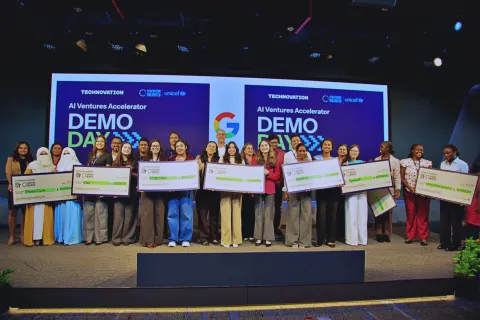
23 November 2026 – Generation Unlimited is pleased to announce the 14 Global Winners of the 2026 imaGen Ventures Global Challenge. The cohort brings together young entrepreneurs from 10 countries developing practical solutions to challenges in climate resilience, food security, clean water, health, education and disability inclusion.
Selected from 36 Local Winners across 18 countries, the 14 ventures underwent a global assessment involving 33 global judges, followed by a due diligence process.
The winning ventures draw on young people's first-hand knowledge of local challenges to create livelihoods, strengthen essential services and make better use of local resources. Ten of the 14 ventures address environmental and climate-related challenges, with solutions ranging from waste reduction and safe water access to food loss prevention, clean energy and sustainable construction materials. Others focus on improving access to health services, education and disability-inclusive products.
From January to April 2027, each Global Winner will receive up to US$10,000 in seed funding, four months of incubation, tailored mentorship and expert guidance, communications support and access to strategic networks and partners. The teams will also have the opportunity to participate in a Global Incubation Week planned for early 2027, helping them strengthen their business models, expand their reach and increase their impact.
The 2026 Global Challenge is made possible with the support of Accenture, a longstanding imaGen Ventures partner providing funding, business expertise and mentorship. The programme is also supported by Generation Unlimited's Lead Government Partners, Canada and Qatar, whose contributions help expand opportunities for young people worldwide.
Meet the 2026 Global Winners
1. ArapaimAtivos
Country: Brazil 🇧🇷
Theme: Water and Sanitation/Waste Management
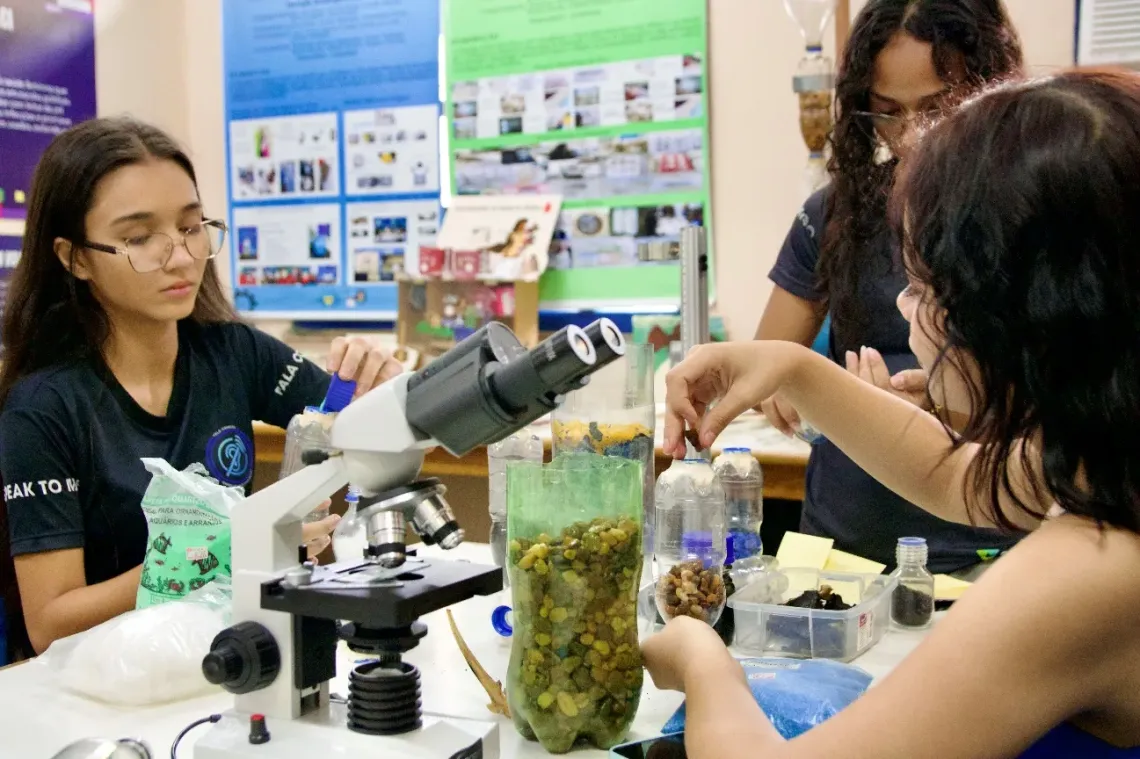
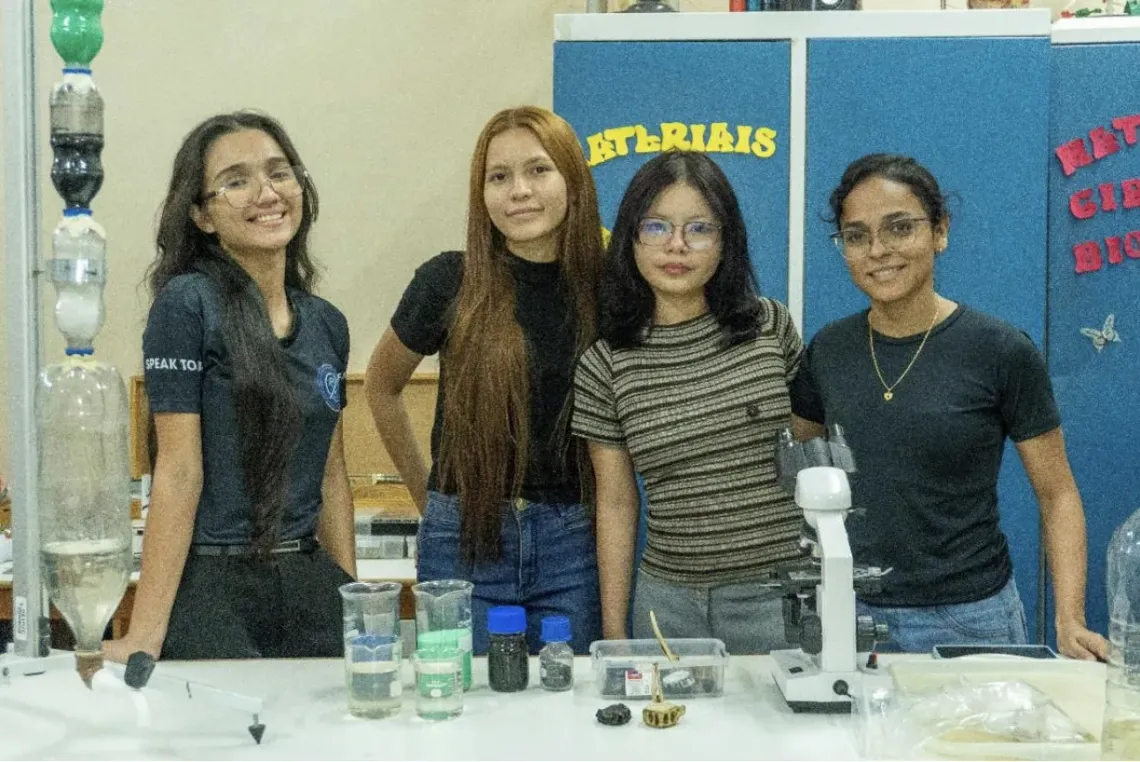
ArapaimAtivos transforms discarded pirarucu fish bones into activated carbon for a five-module water-filtration system.
The venture aims to provide riverside communities in the Amazon with a locally sourced and affordable way to treat drinking water while reducing pollution caused by fish-processing waste. Initial field tests have produced positive results in treating river, lake and artesian-well water.
“ArapaimAtivos was born from the drive to turn a problem of the Amazonian reality into an opportunity for innovation. The large volume of discarded pirarucu fish bones, combined with the difficulty of accessing quality water in communities in the interior of Amazonas, led our team to develop a sustainable activated carbon for use in biofilters. We seek to reduce waste, add value to a resource of the Amazonian bioeconomy and contribute to safer access to water." - Jayanne Monteiro de Carvalho, Team Representative, ArapaimAtivos
2. BTC 5.0
Country: Angola 🇦🇴
Theme: Housing and sustainable construction
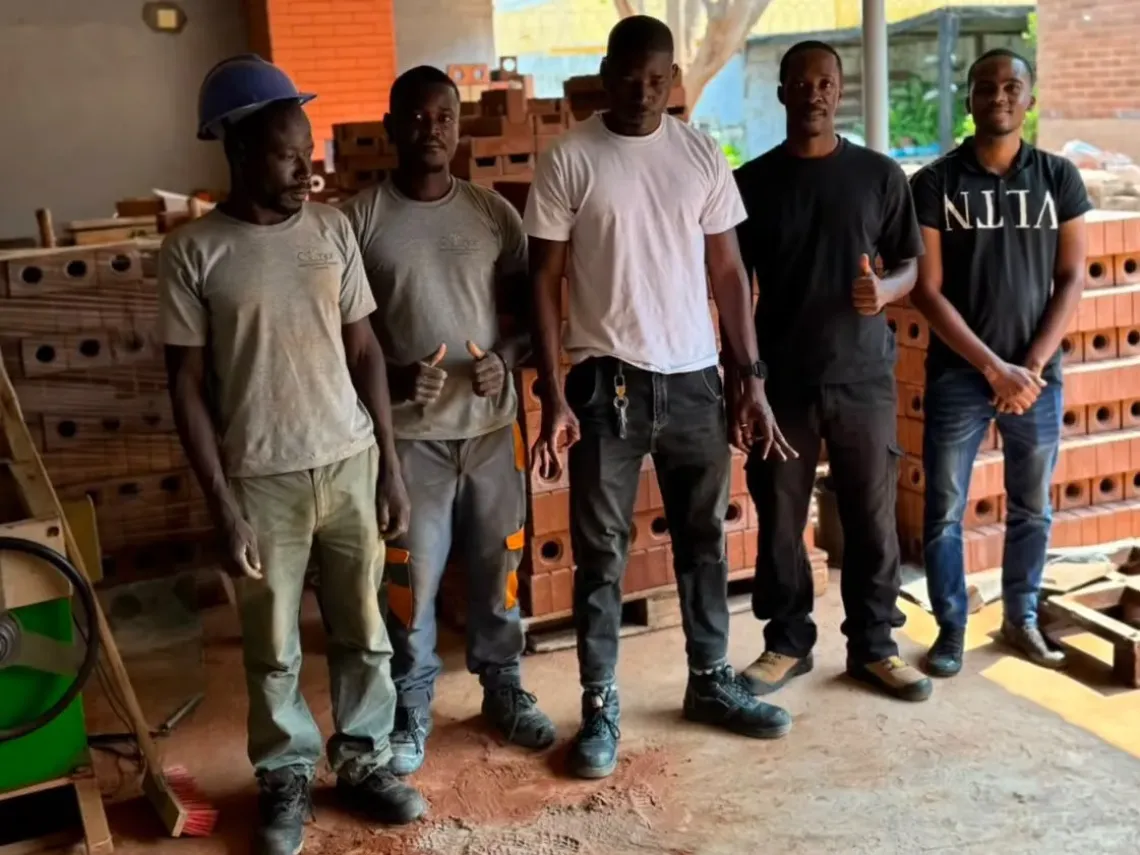
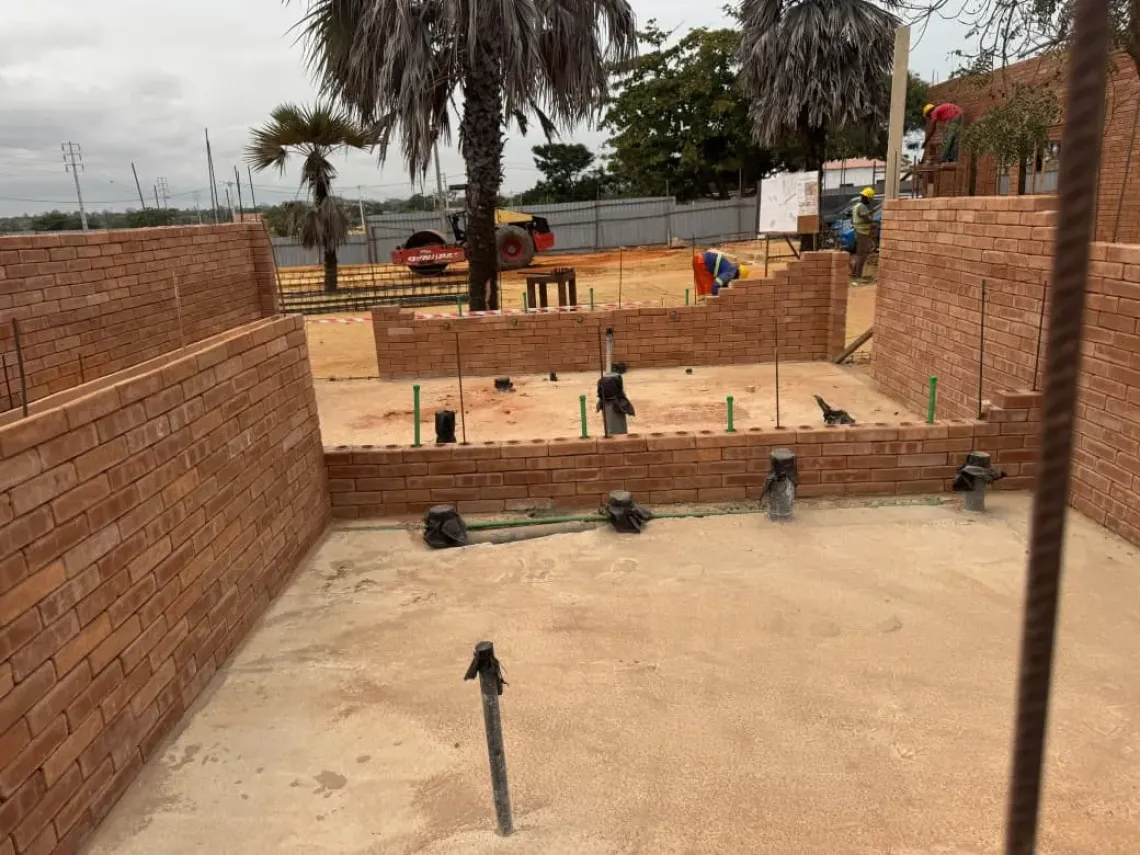
BTC 5.0 produces compressed earth blocks using locally available materials to support more affordable and climate-resilient construction in Angola. This construction method promotes a cleaner and more organised building process, with less material waste and more efficient use of available resources. In addition to reducing waste generated on construction sites.
The blocks have been laboratory-tested and are designed to provide durable structures with improved thermal and acoustic performance while reducing environmental impact. The team has completed a prototype house, while a community school and medical post using its approach are under development in Luanda, Angola.
"Access to decent housing should not be a privilege. That's the belief with which we started BTC 5.0. In Angola, millions of people face housing challenges due to the high cost of traditional construction. As a civil engineer, I saw an opportunity to turn local resources into an innovative, affordable and sustainable building solution through compressed earth blocks. Our journey with imageGen represents an opportunity to strengthen our vision, develop our capacity and accelerate our impact." - Boaventura Machado
3. Cologneme Solar Chain Hub
Country: Nigeria 🇳🇬
Theme: Food Security/Clean Energy
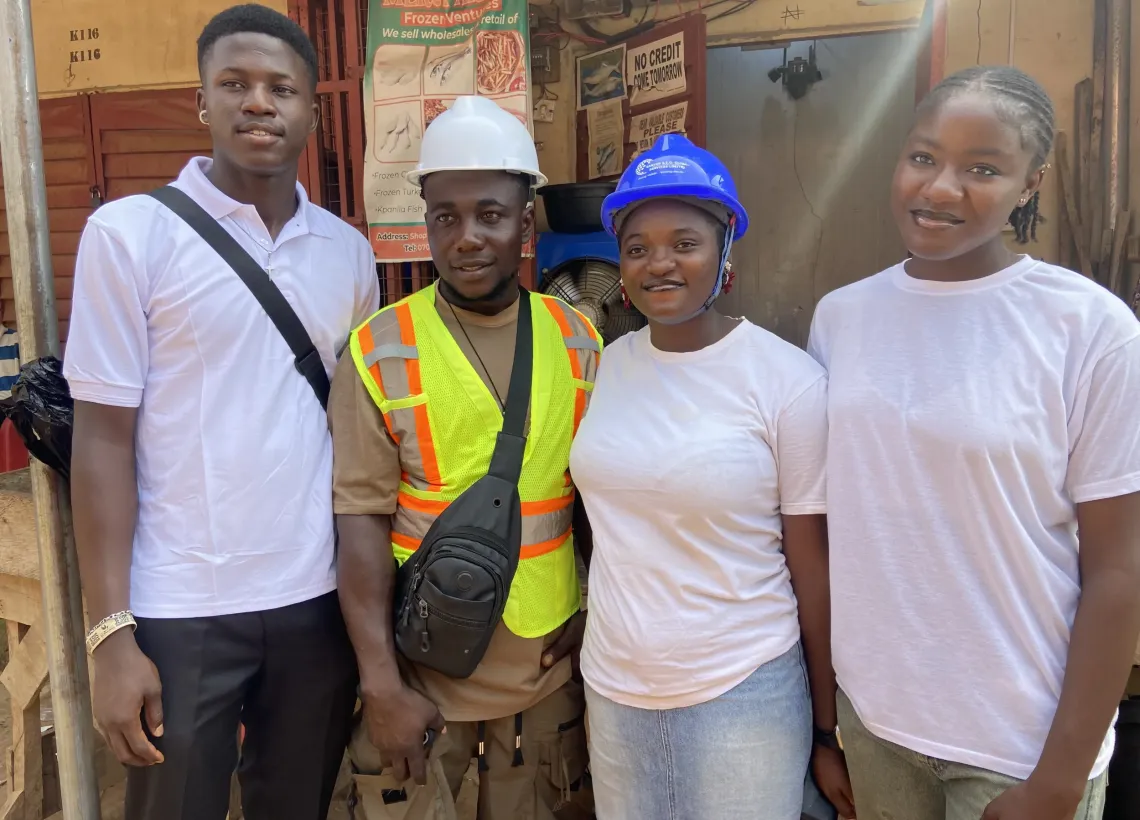
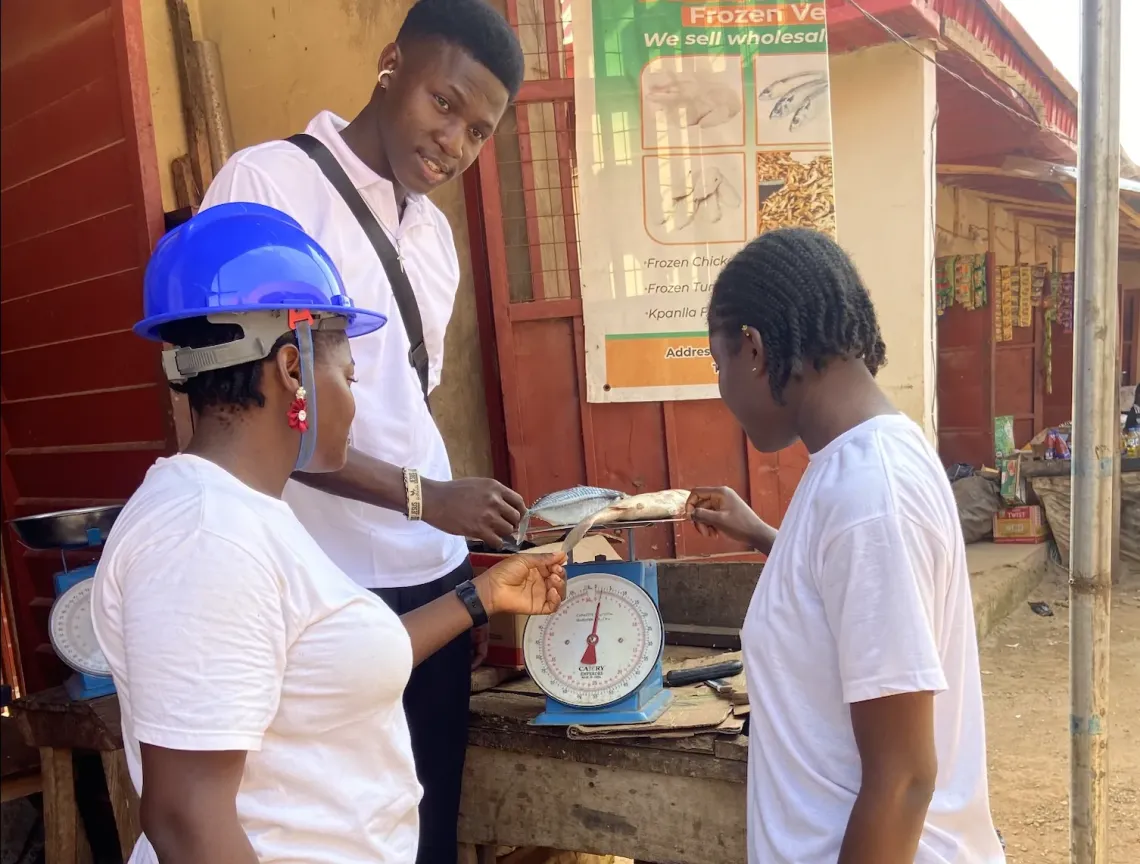
Cologneme is a green agri-business in Ebonyi State, Nigeria running the Cologneme Solar Chain Hub, a 20-foot cold storage container powered entirely by solar with lithium battery backup, giving off-grid farmers reliable post-harvest storage and supporting local vaccine cold chain.
"I started Cologneme Solar Chain Hub because I believe access to reliable cold storage should not be a privilege. In Nigeria, farmers and traders lose significant portions (40%) of their produce because of inadequate preservation facilities and unreliable electricity. This affects their income, food availability, and livelihoods. Our venture seeks to address this challenge through solar-powered cold-storage solutions that help preserve perishable agricultural produce and essential medicines." - Christabel Fidelis, Founder of Cologneme Solar Chain Hub
4. Ecotex (Angola)
Country: Angola 🇦🇴
Theme: Sustainable textiles and disability inclusion
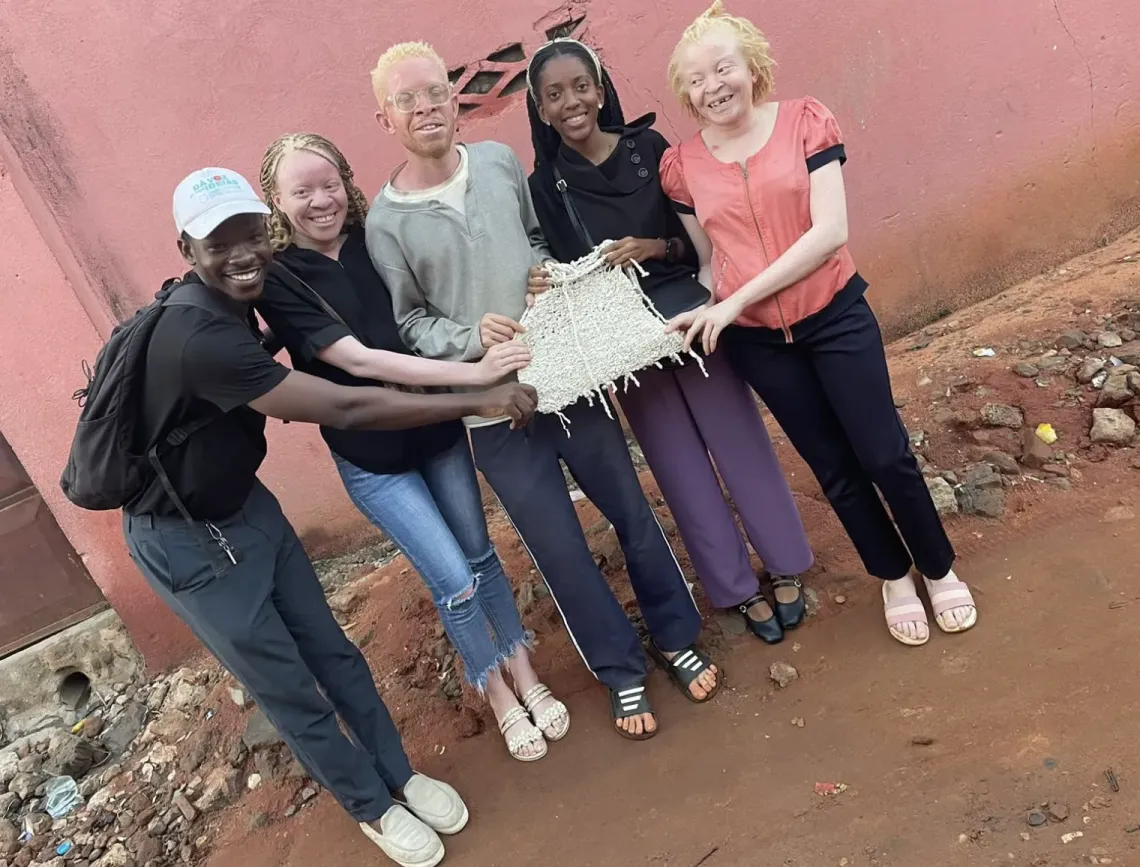
EcoTex is an Angolan venture developing sustainable functional clothing for people with albinism from a blend of natural kapok and cotton fibres. The lightweight, breathable material is designed to reduce skin irritation and sun-related damage in hot climates.
Around 100 people with albinism have participated in skin-contact testing and interviews to inform the product’s development, per Ecotex.
"EcoTex was born from the need to address the clothing challenges faced by people with albinism in Angola, whose comfort and specific needs are often overlooked. This issue matters deeply to us because inclusion should be reflected in everyday solutions, including the clothes we wear. Our ambition is to develop an Angolan solution that promotes dignity, comfort and inclusion while contributing to a more sustainable textile sector." - Isânia dos Prazeres Emanuel Co-founder and Product Manager, EcoTex
5. Royella Foods, Pakistan
Country: Pakistan 🇵🇰
Theme: Food security and waste management
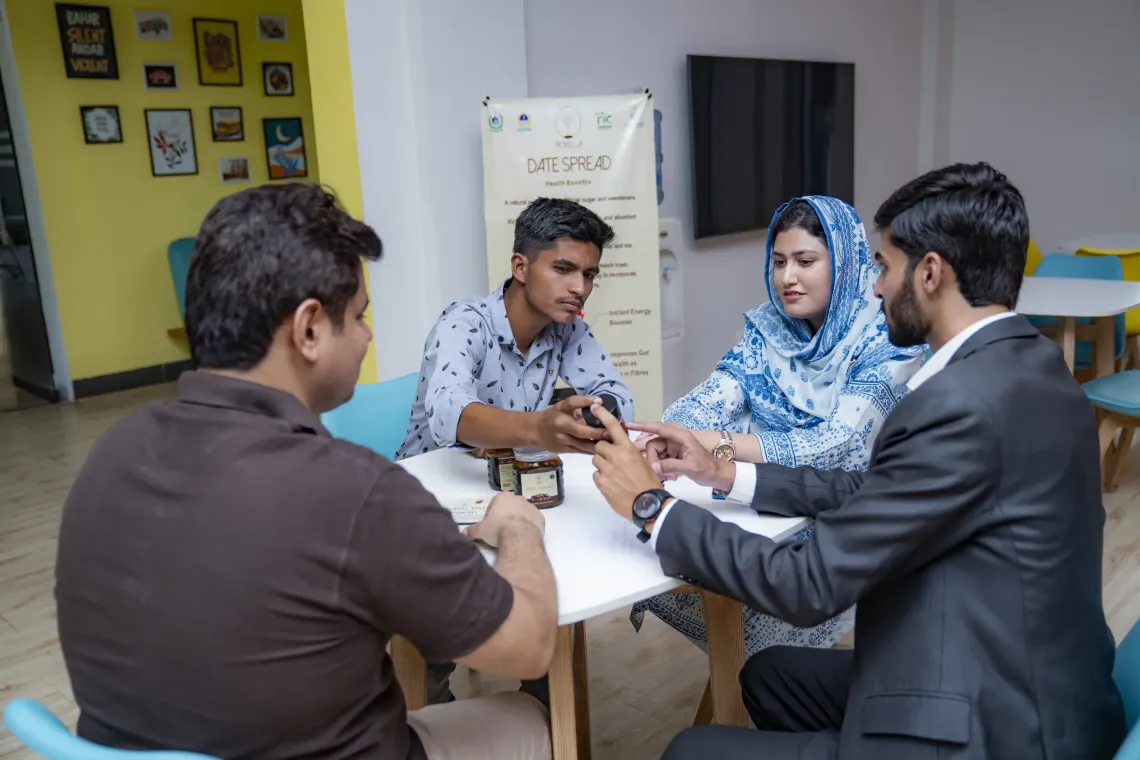
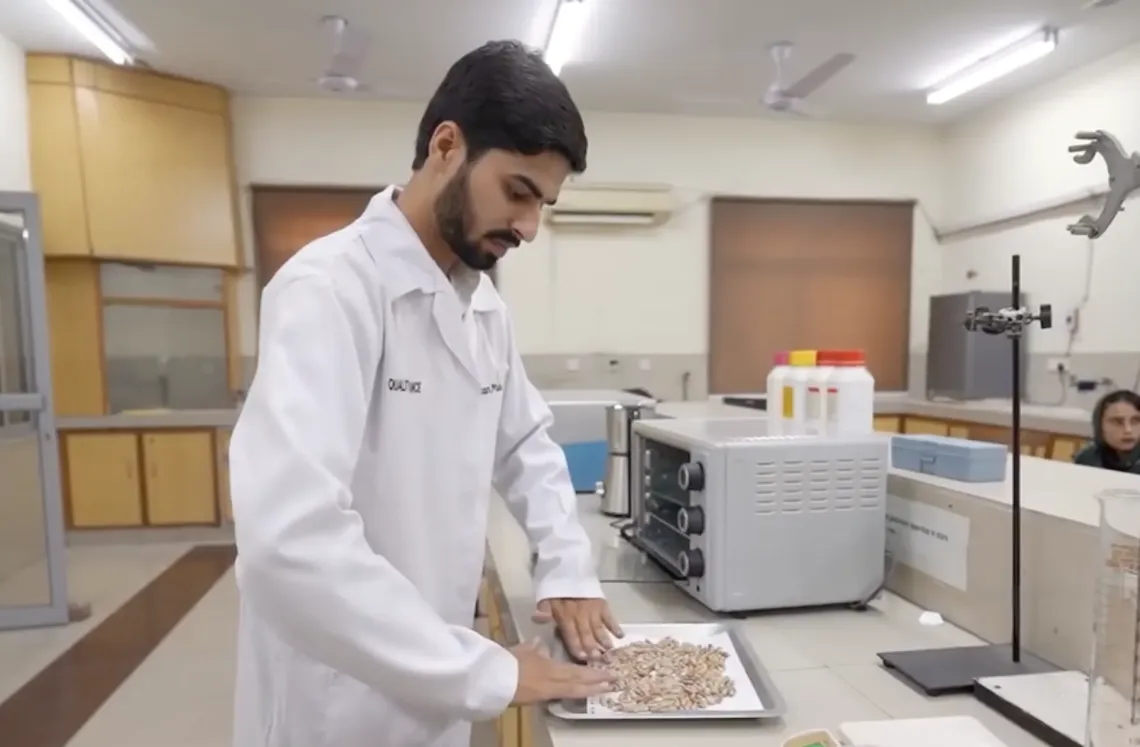
Royella Foods turns dates and date-processing by-products into food products, including a date spread and a caffeine-free beverage made from date seeds. The venture aims to reduce food waste, expand the market for locally produced date products and create additional value for growers and producers.
As a food technologist, I saw an opportunity in Pakistan's date industry, where the country ranks among the world's top five date producers, with approximately 550,000 metric tons produced annually. Witnessing the significant waste generated by this industry inspired me to establish Royella Foods and transform discarded date seeds into valuable products, particularly caffeine-free date seed coffee and natural date spread as an alternative to refined sugar." - Raees ur Rehman, founder of Royella Foods
6. AkoFresh, Ghana
Country: Ghana 🇬🇭
Theme: Food security and clean energy
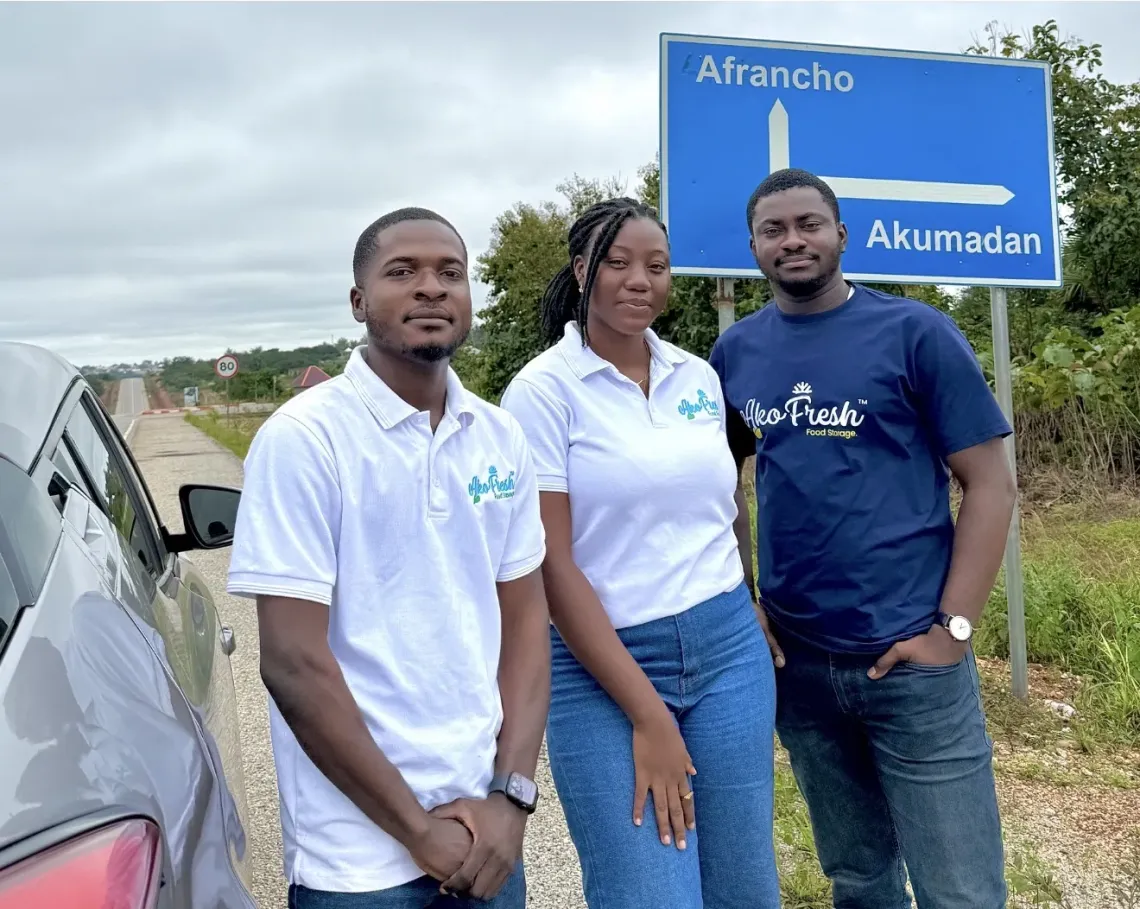
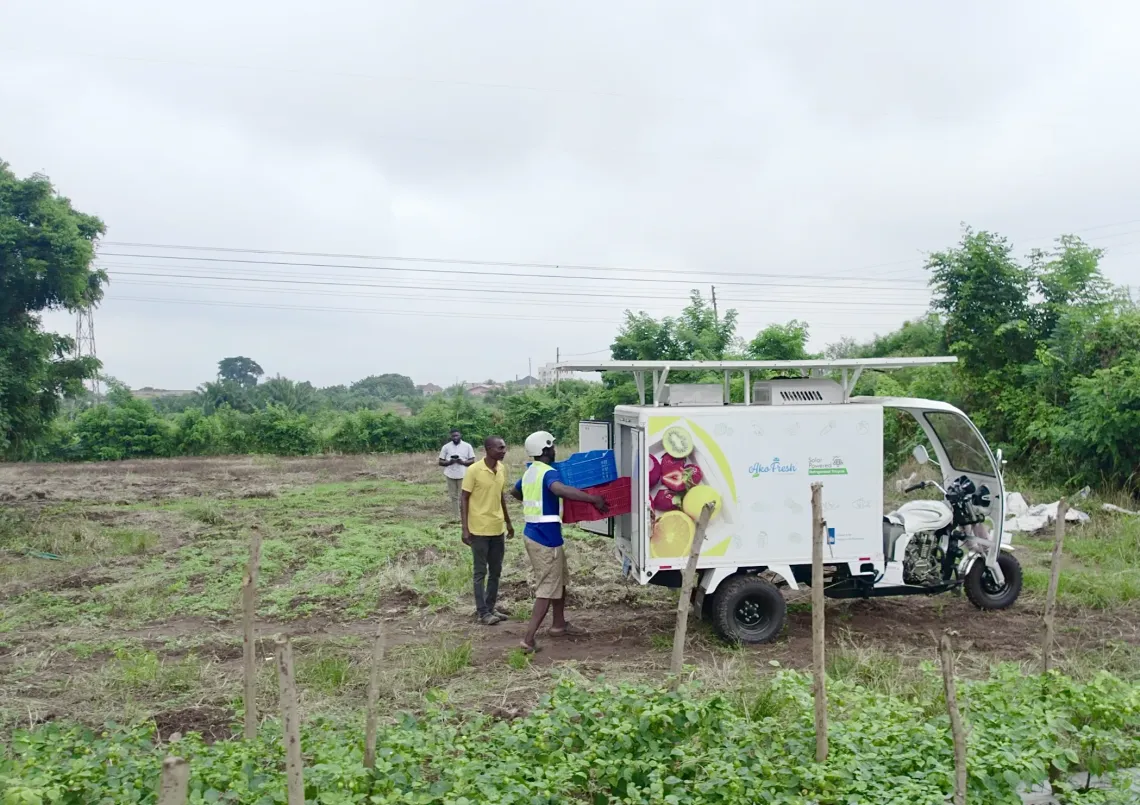
AkoFresh uses solar-powered refrigerated tricycles to bring cold-chain services closer to smallholder farmers. The tricycles collect and transport perishable produce from farms to storage facilities and markets, helping reduce losses between production and sale.
AkoFresh has served more than 500 farmers through its solar cold-storage operations, which have now expanded from three to 30 communities in Ghana, according to the team.
"I started AkoFresh after standing in a tomato field with a farmer who showed me baskets of her harvest, rotting. She had done everything right. What she lacked was somewhere cold to keep it. Across Ghana, smallholders lose up to 40 per cent of what they grow between farm and market, and that loss falls hardest on women. Our solar-powered cooling tricycle moves produce from the farm gate to the market without breaking the cold chain." - Mathias Charles Yabe, Founder & CEO, Akofresh
7. Pearl Eco Shoes, Uganda
Country: Uganda 🇺🇬
Theme: Waste management
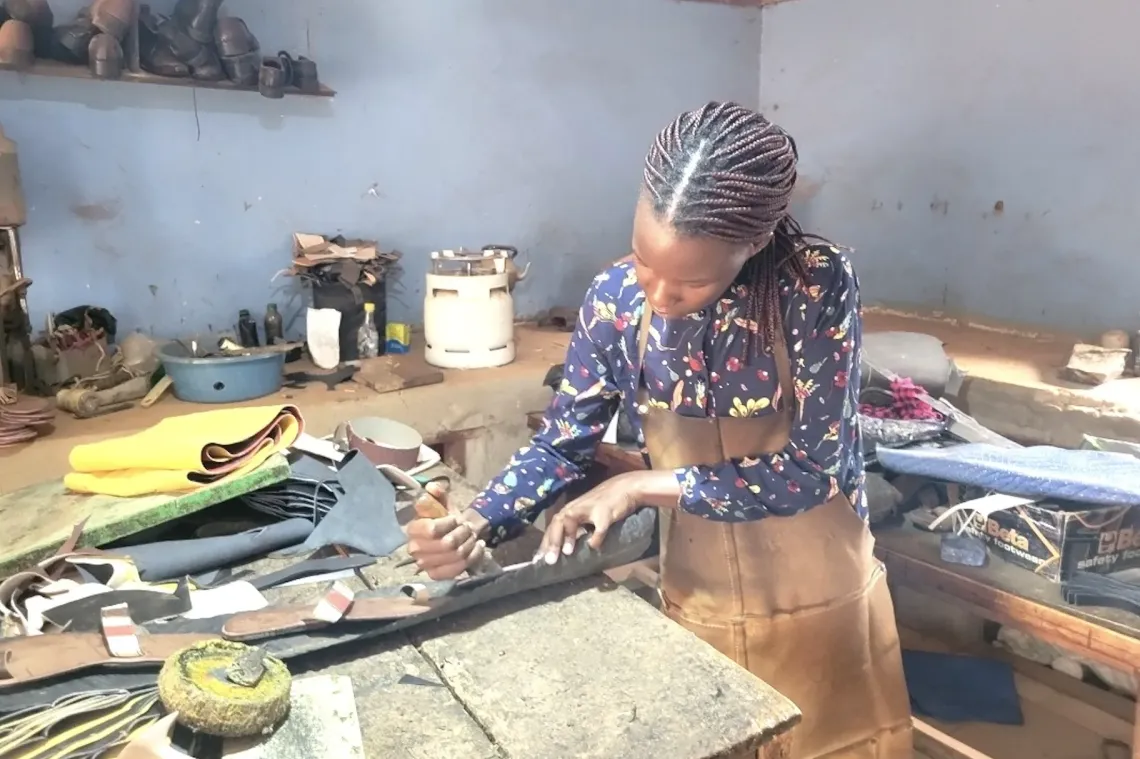
Pearl Eco Shoes collects discarded single-use plastic bags and turns them into durable footwear. The plastic is heat-pressed into fabric and combined with African-print materials and soles made from repurposed vehicle tyres. The venture has sold footwear to 100 new customers, 80 per cent of them from the Lamwo refugee community and 20 per cent from Kyambogo University.
“Pearl Eco Shoes was established after I lost two high school friends to a landfill collapse, followed by endless debate over who was to blame for poor waste management. I could not bring them back, but I could turn their story into action. Uganda produces about 600 metric tonnes of plastic waste daily and recycles only 1%, while families struggle to afford durable shoes. We turn discarded plastic bags and car tyres into affordable footwear for students and refugees in Palabek.” - Akori Martha, Founder and Team Leader, Pearl Eco Shoes
8. Raízes do Futuro - Roots of the Future
Country: Brazil 🇧🇷
Theme: Water and sanitation
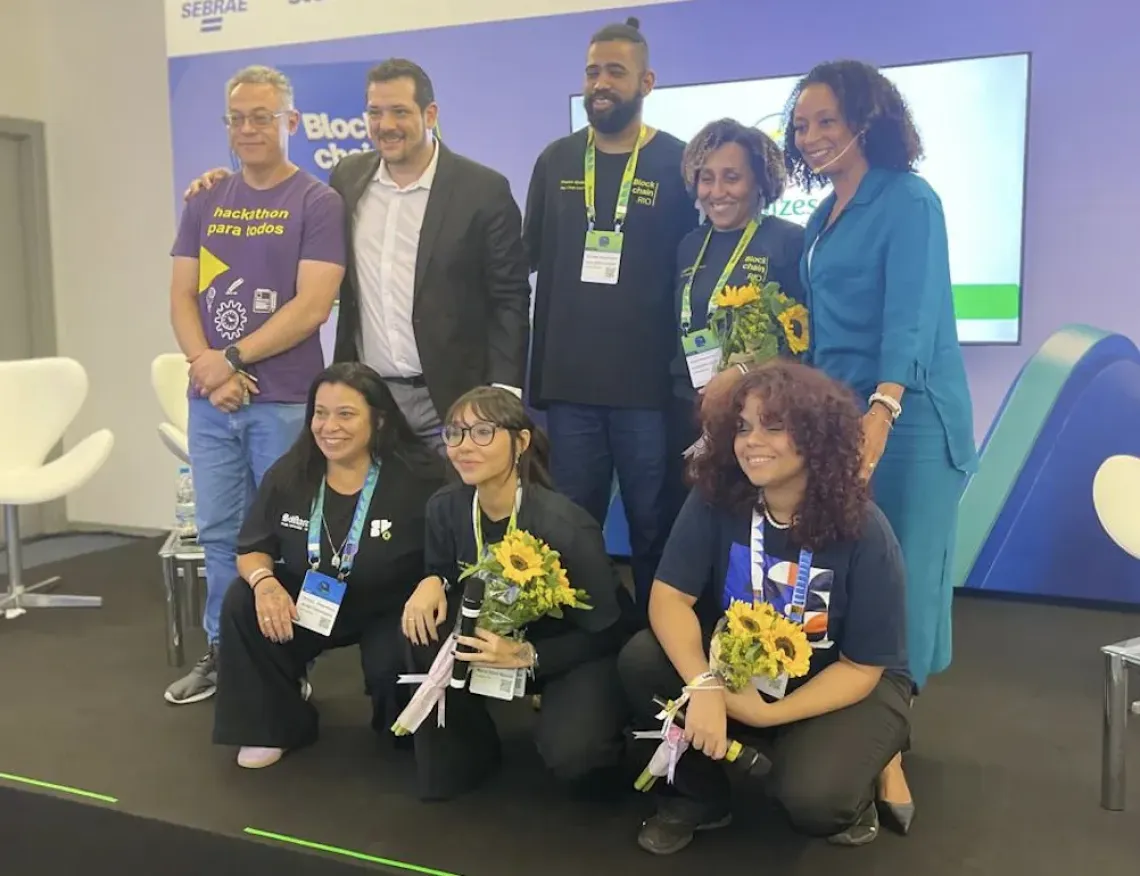
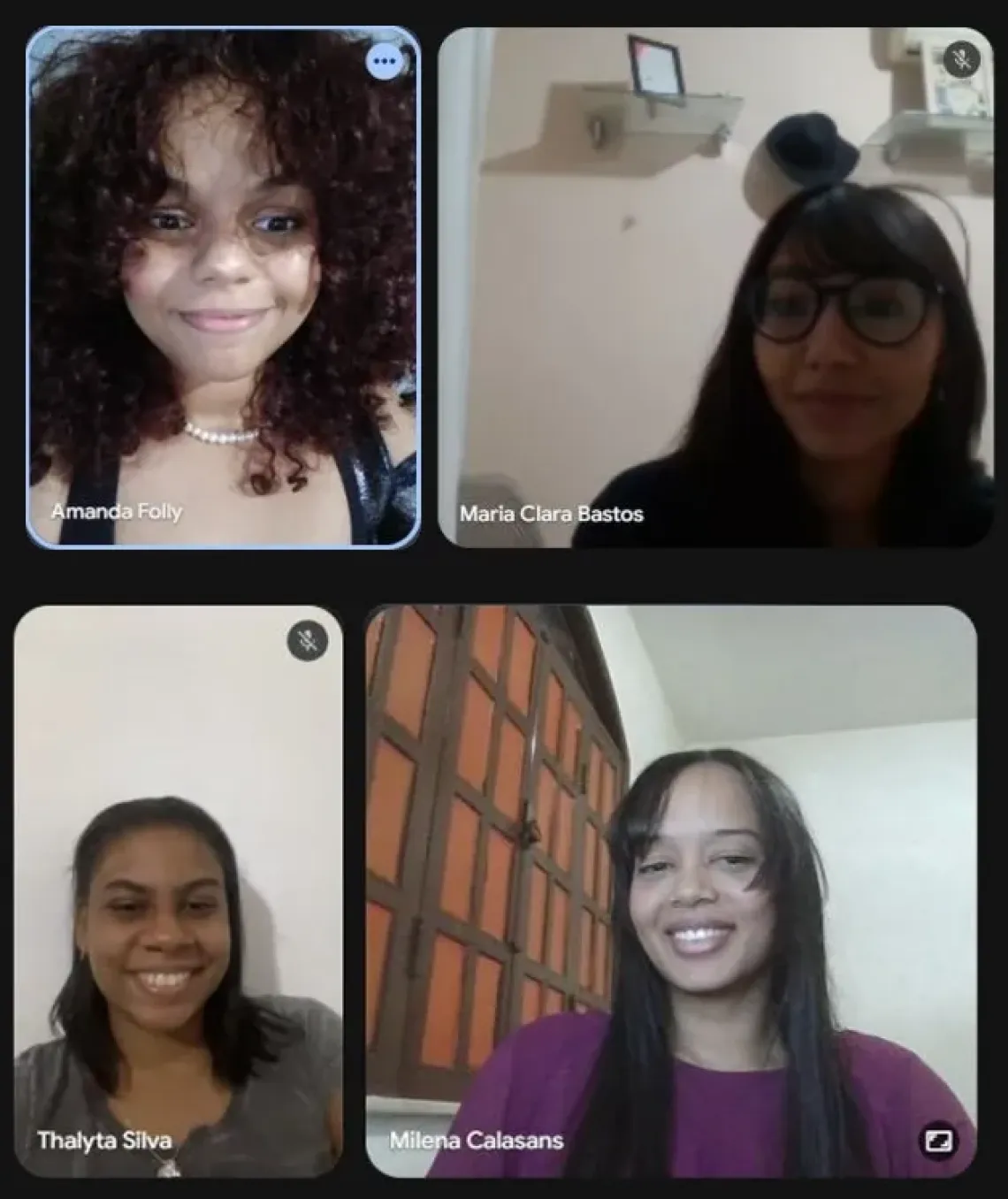
Raízes do Futuro is developing a circular-economy model that turns waste collected from beaches in Boipeba into income for local families. Its blockchain-based system is designed to record the movement of collected materials and the distribution of revenue.
Under the proposed model, 60 per cent of revenue would go to waste collectors, 25 per cent to a children’s fund and 15 per cent to operations. The team is preparing a pilot involving families, children and waste collectors in Boipeba.
“Raízes do Futuro was born in Boipeba, in the Lower South region of Bahia, in response to two urgent challenges that are closely connected: the waste that accumulates on a tourist island and the lack of resources for the health and education of children from local families. We created a model in which waste collection is validated through computer vision and recorded on blockchain, while a portion of every recycling credit sale goes directly to a Children's Fund." - Milena Calasans, Team Leader, Raízes do Futuro
9. eKithab AI
Country: India 🇮🇳
Theme: Education and livelihoods
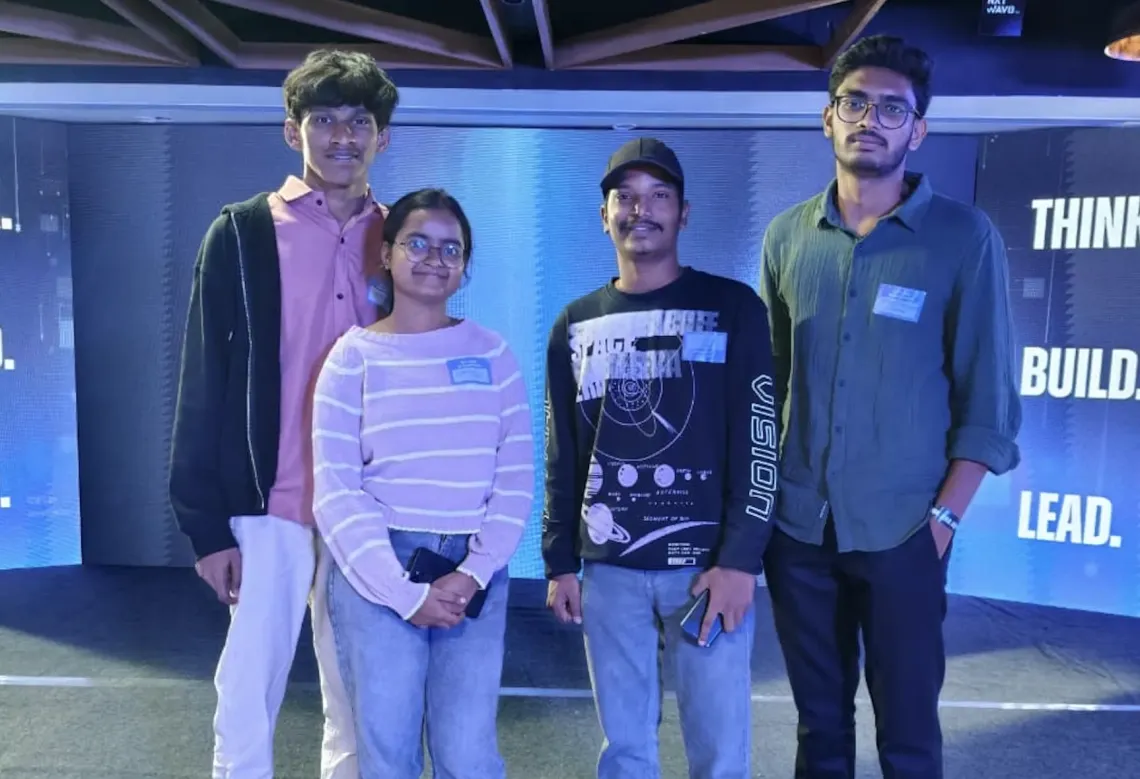
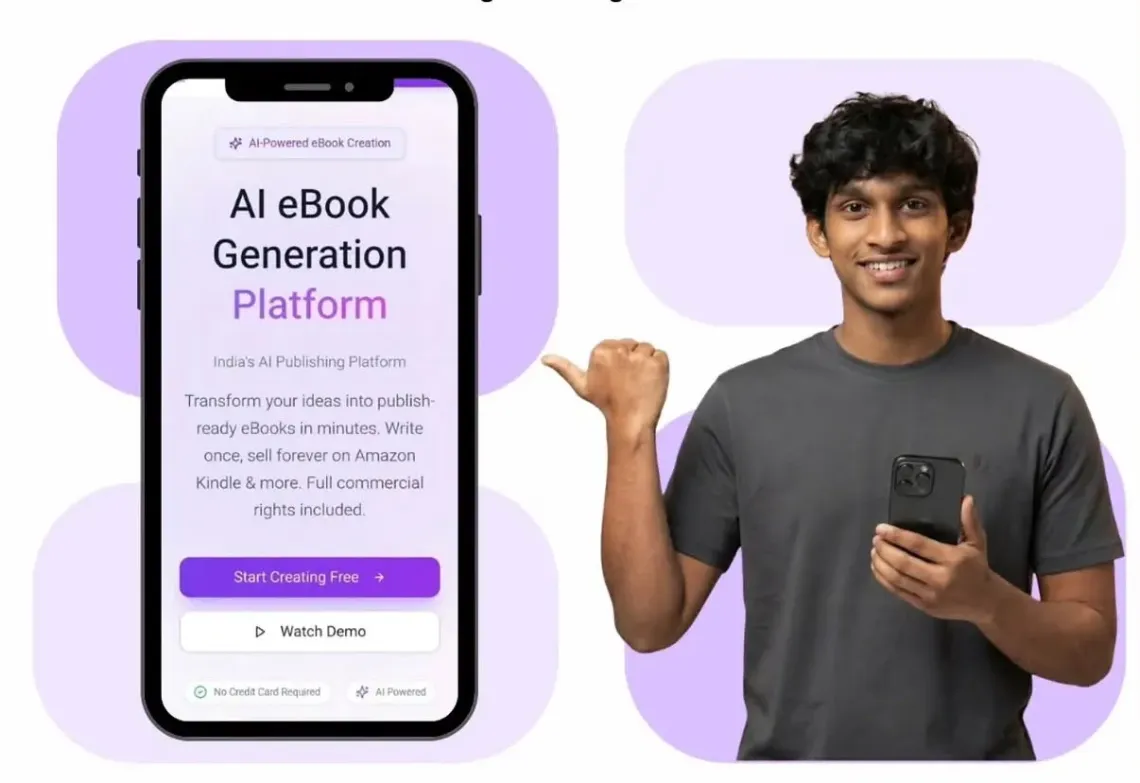
eKithab AI enables creators to record their knowledge in their preferred language and turn it into digital products, including ebooks, audio courses and video scripts.
The platform is designed to make digital publishing more accessible to creators working in local languages, including those in smaller cities and rural areas. The venture has attracted more than 1,300 creators without paid marketing and built a community of over 13,000 followers across Instagram and WhatsApp.
"We started eKithab AI with one simple thought: everyone has knowledge worth sharing, and language shouldn't be an obstacle for any one to learn and share the learnings. In India, so many talented people have great ideas and valuable knowledge but don't always have the tools to turn them into something they can share with others. That's what inspired us to build eKithab AI, a platform that helps people create ebooks, guides, and learning materials using AI, especially in Indian languages. For us, it's about giving more people a voice." - Venu, Team Lead of eKithab AI
10. VITACHIP, Türkiye
Country: Türkiye
Theme: Health
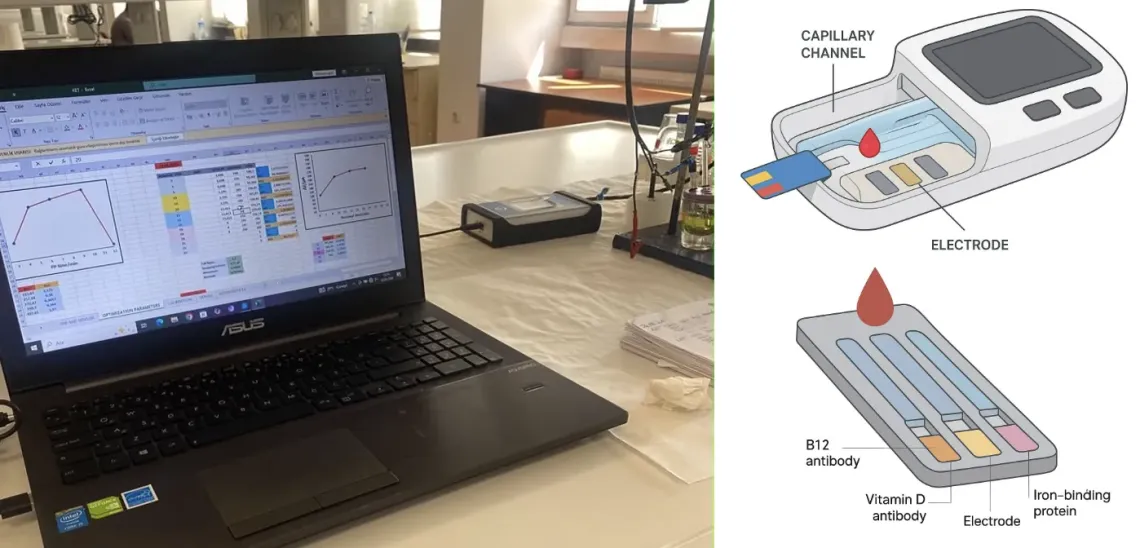
VITACHIP is developing a portable biosensor that can detect vitamin B12, vitamin D and ferritin deficiencies using a single finger-prick sample. The system combines a disposable test strip, portable reader and mobile application, with results expected in approximately two to three minutes. It is designed for people who may not have easy access to laboratory testing.
"We started VITACHIP with a simple but meaningful goal: making health monitoring more accessible to everyone. Vitamin B12, vitamin D, and iron deficiencies can significantly affect people’s quality of life, yet access to regular testing is not always easy, affordable, or convenient. We wanted to develop a solution that could make early awareness and monitoring simpler through a portable biosensor system." - Ayşegül Meral- Team Leader & Co-Founder
11. Boltay Huroof
Country: Pakistan 🇵🇰
Theme: Disability Solution
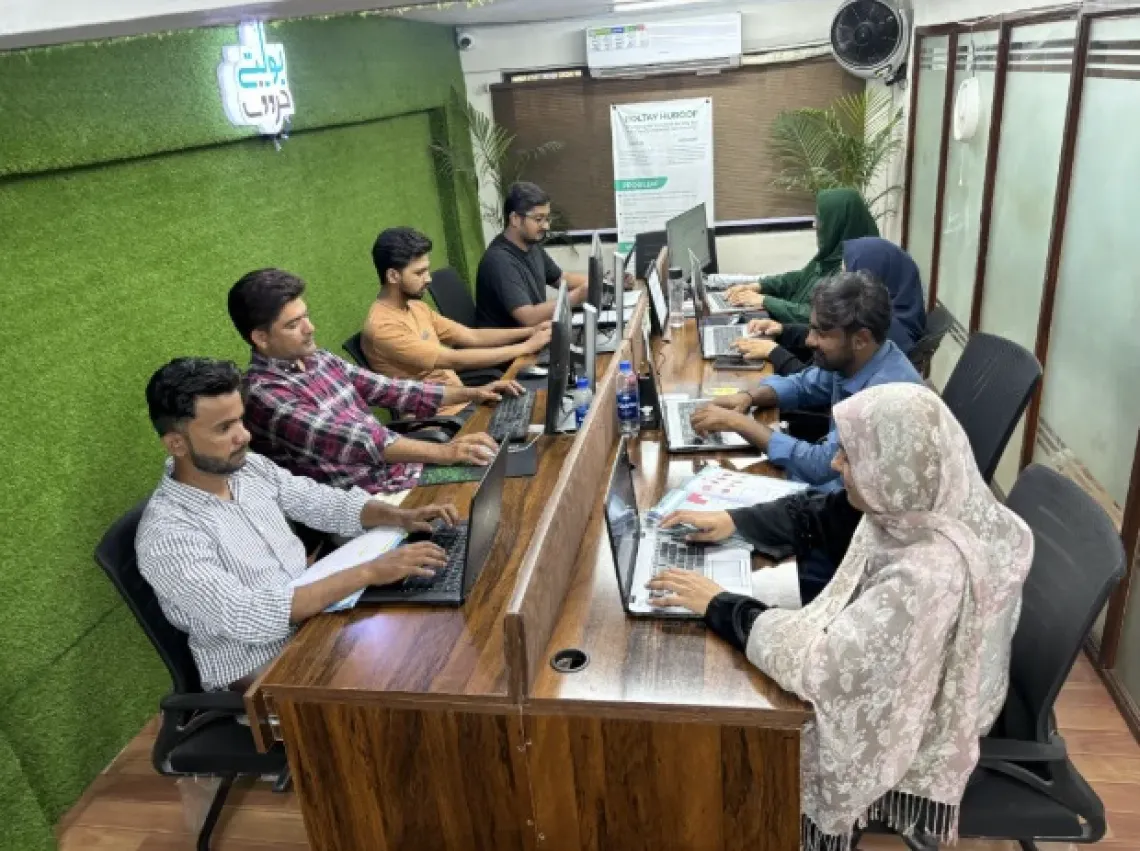
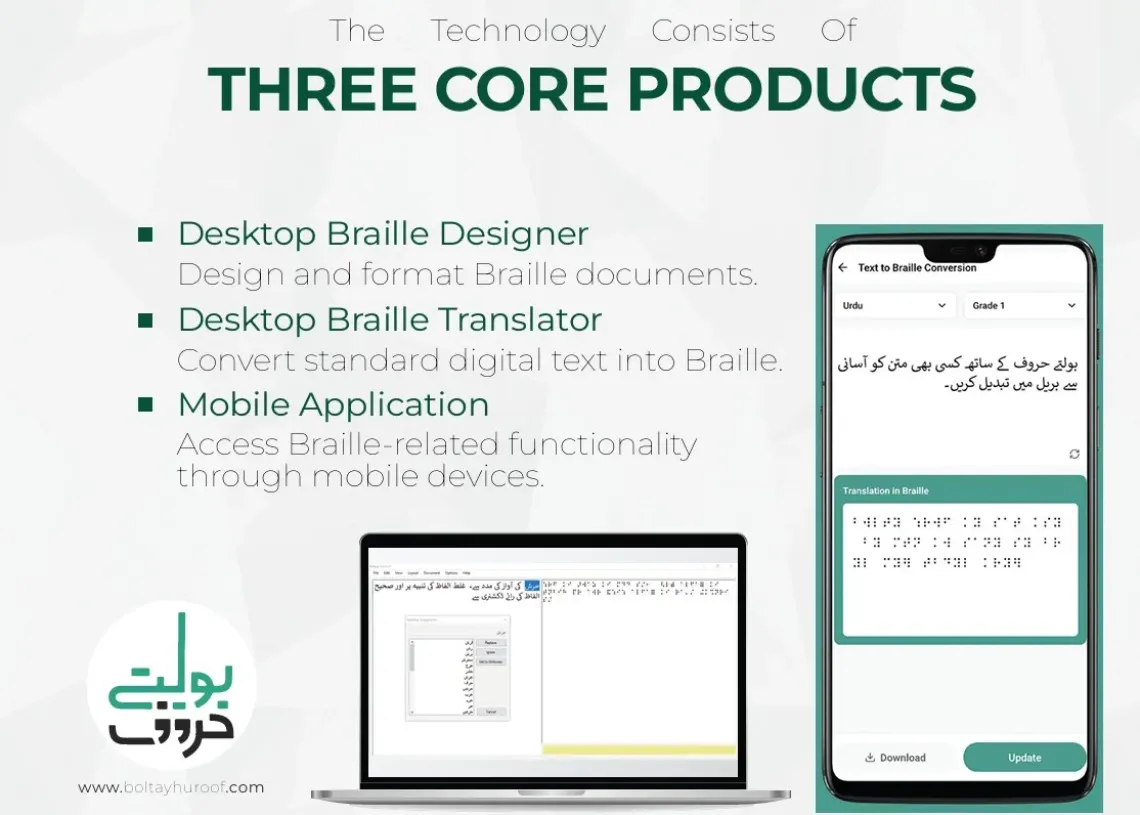
Boltay Huroof is Pakistan's first inclusive Braille designer, producing documents that carry standard printed text and embossed Braille on the same page so a blind reader and a sighted officer use the identical document, letting banks, schools and public institutions serve the 9 million-plus Pakistanis with vision impairment without parallel processes.
12. SuperGen
Country: Bangladesh 🇧🇩
Theme: Water and sanitation
SuperGen has developed a non-electric, gravity-based four-layer filtration system for communities affected by arsenic and iron contamination and flooding. Available in portable bottle-mounted and household clay-vessel formats, the system has been laboratory-tested to remove 99.99 per cent of viruses, bacteria and microplastics.
The venture has sold 37 units and is conducting a pilot with 130 households in Niamatpur. It has also reached more than 17 communities through awareness activities on water scarcity and waterborne diseases.
13. Bio-Carbon Trap, Egypt
Country: Egypt 🇪🇬
Theme: Food security and waste management
Bio-Carbon Trap uses low-oxygen pyrolysis to turn agricultural residues into biochar. The solution is designed to reduce the open burning of crop waste while improving soil quality and water retention.
The team has built and tested a prototype pyrolysis furnace and begun field trials with farmers in Assiut.
14. Grecem
Country: Egypt 🇪🇬
Theme: Waste management and sustainable construction
Grecem is a cleantech startup converting underutilised agricultural residue into high-performance building material additives that replace cement, sand and gravel in concrete products. Grecem converts rice straw, corn stalks and palm waste into additives for concrete products. The venture aims to reduce the use of conventional construction inputs while creating productive uses for agricultural waste. The team is testing its materials and working with actors across the agricultural and construction sectors.